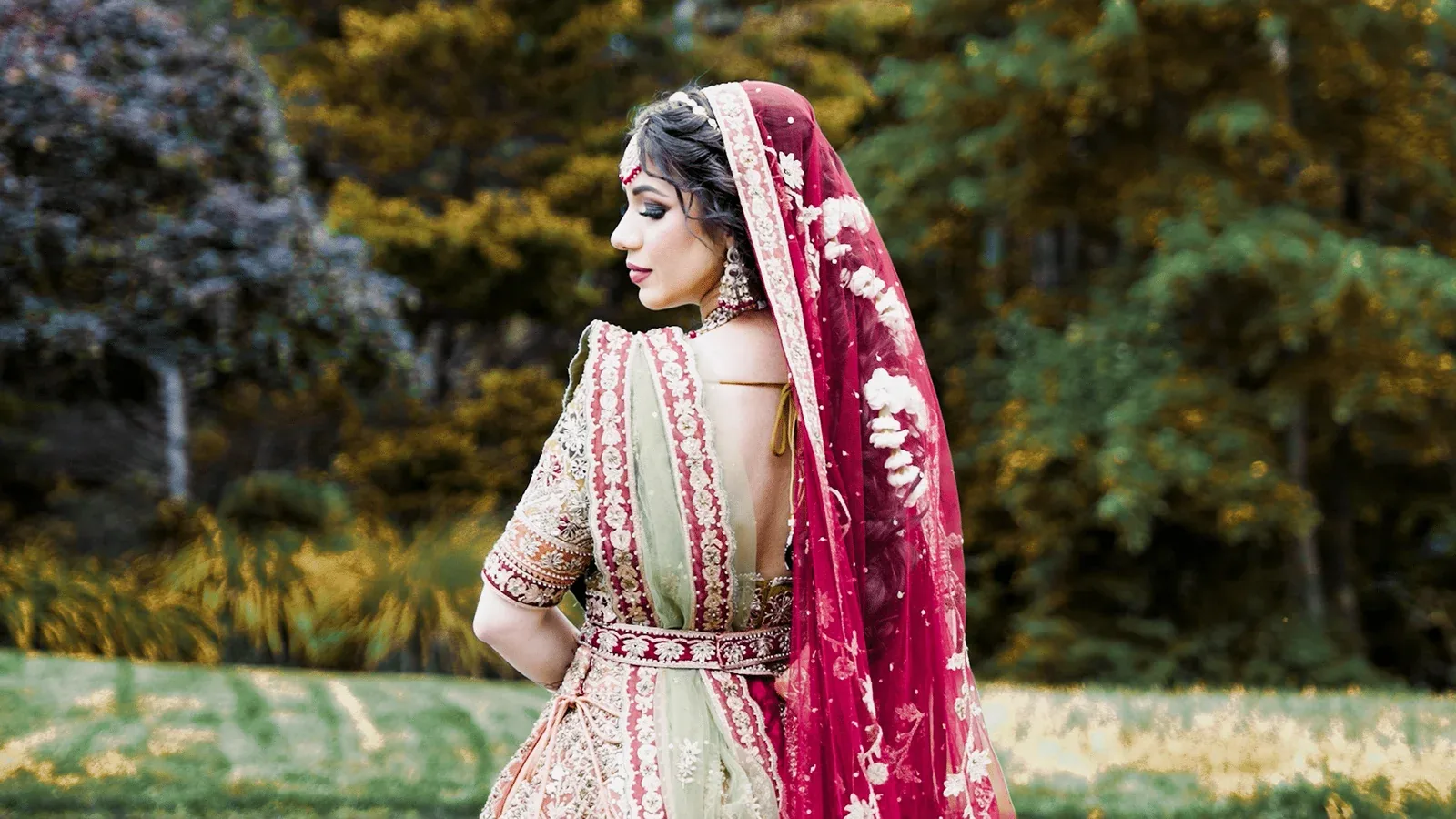
It's one of the most common questions we hear: do we really need a videographer, or is a photographer enough? With so many wedding costs adding up, it's a fair thing to ask.
We offer both wedding photography and cinematic wedding films, so we see the value of each one every week. Here's an honest look at what each captures and how to decide what's right for you.
What photography gives you
Photographs freeze a single moment so you can hold it, frame it and look at it for as long as you want. They are the images that end up on your walls, in your album and on your parents' fridge. A great photographer captures emotion, details and the beauty of the day in a way you can take in at a glance.
Photos are also the easiest thing to share. You'll post them, print them and send them to family who couldn't be there.
What videography gives you
A wedding film captures the things a photo can't: your voices, your vows, the way your dad's voice cracked during his toast, your friends singing along on the dance floor. Many couples tell us that the film became their most treasured keepsake because it lets them relive the day exactly as it felt.
Here's something we hear all the time: couples who skipped video often wish they hadn't. Couples who booked it almost never regret it.
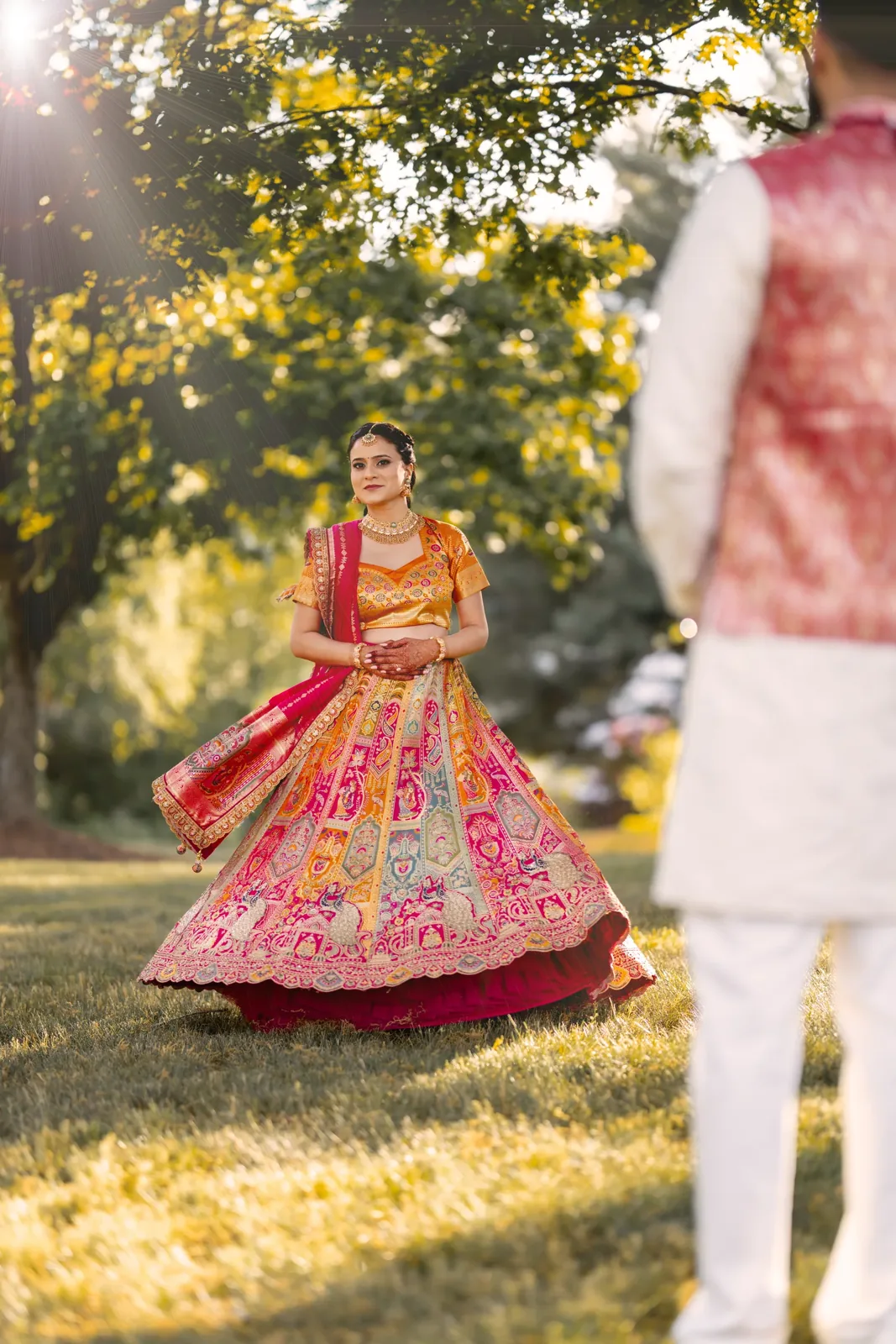
Photography vs videography side by side
- Best for: photography for prints, albums and sharing; video for reliving sound, movement and emotion.
- What you receive: a gallery of edited images, or a highlight film plus longer ceremony and toast edits.
- How often you'll use it: photos almost daily at first; films on anniversaries and special occasions.
- What each captures best: photos catch details and expressions; film catches vows, speeches and energy.
Why booking one team for both helps
When your photographer and videographer work together every week, they don't get in each other's way. They know how to share the aisle, plan portraits together and keep your timeline moving. You also get one consistent look across both your photos and your film, and you only have to deal with one contract and one point of contact.
How to fit both into your budget
- Prioritize coverage over extras. A slightly shorter coverage day with both photo and film is often better than a longer day with only one.
- Choose a highlight film. A 3 to 5 minute highlight film captures the heart of the day and costs less than a full length documentary edit.
- Add an album later. You can always order an heirloom album after the wedding once your budget has recovered.
- Ask about bundles. Most studios, including ours, offer better value when you book photography and film together.
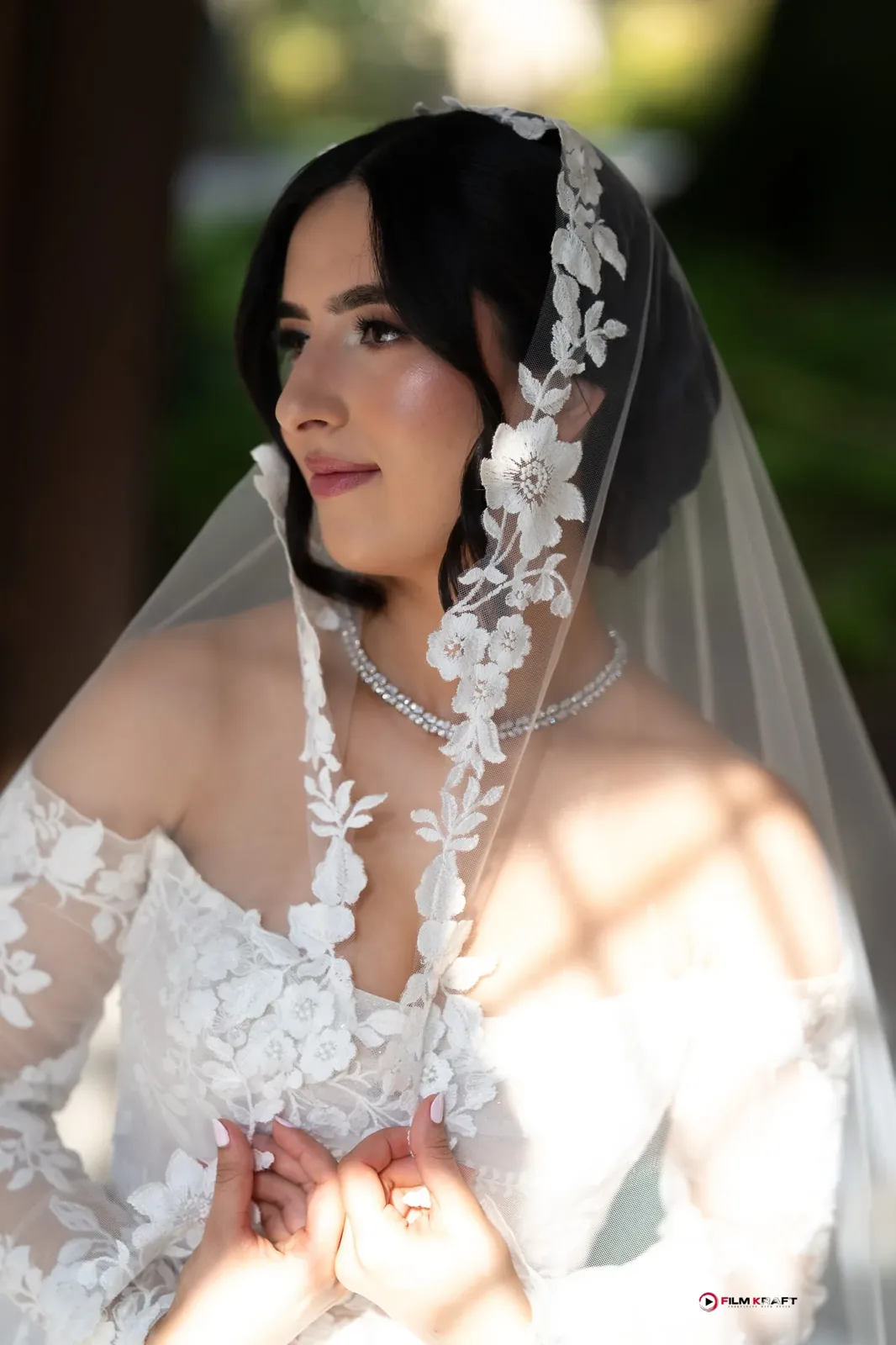
What to look for in a wedding videographer
Watch at least two full films, not only trailers. Listen to the audio: can you clearly hear the vows and toasts? Look at how they handle dark receptions. And make sure the style matches your taste, whether that's a cinematic, music driven film or a more documentary approach.
Photos show you what your wedding looked like. A film reminds you what it felt like.
Frequently asked questions
How long is a wedding highlight film?
Most highlight films run 3 to 7 minutes, set to music and edited to tell the story of your day. Longer edits of the full ceremony and toasts are often included so nothing important is lost.
When will we receive our wedding film?
Wedding films take longer to edit than photos. Plan on about 8 to 12 weeks, with a short teaser sometimes shared sooner.
Will a videographer get in the way during the ceremony?
A good team stays discreet. We use small cameras, wireless microphones and fixed angles during the ceremony so your guests see you, not us.
Our recommendation
If it's at all possible in your budget, book both. If you truly have to choose one, pick the one you'd be most upset to lose. For most couples that's photography, but more and more tell us their film is the thing they watch every anniversary.
You can compare our photo only and photo plus film collections on our packages page, watch a few of our films in the gallery, or get in touch for a custom quote.