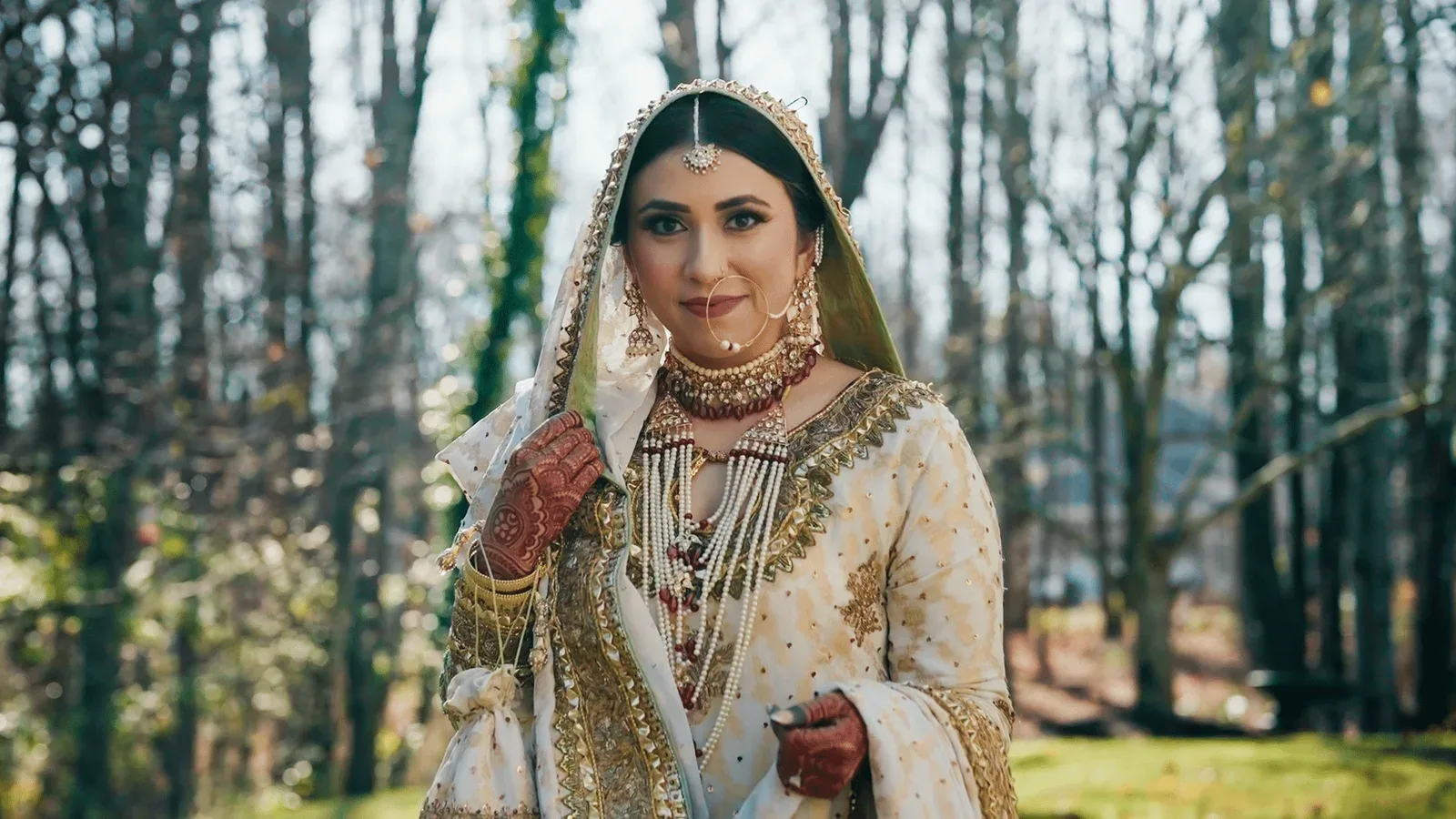
If you're planning a Pakistani, Indian, Bangladeshi or Afghan wedding, you already know it won't be a single day. Between the Dholki, Mehndi, Baraat, Nikah and Walima, many families host four or five events across a week or more. Each one has its own mood, its own outfits and its own guest list.
That makes South Asian wedding photography very different from a typical one day wedding. Here is what we've learned from photographing and filming South Asian weddings across Maryland, Washington DC and Northern Virginia, and how to plan your coverage so nothing important is missed.
Plan coverage event by event
Start by listing every event, the date, the venue, and roughly how many guests you expect. Then decide which ones need full coverage and which only need a couple of hours. Here's how we usually think about each one.
Dholki and Mayun
These smaller, family focused nights are full of singing, dholak drums and a lot of laughter. They often happen at home, which means low light and tight spaces. Two to three hours of photography is usually plenty, and it's a lovely way for your photographer to meet your family before the bigger days.
Mehndi and Sangeet
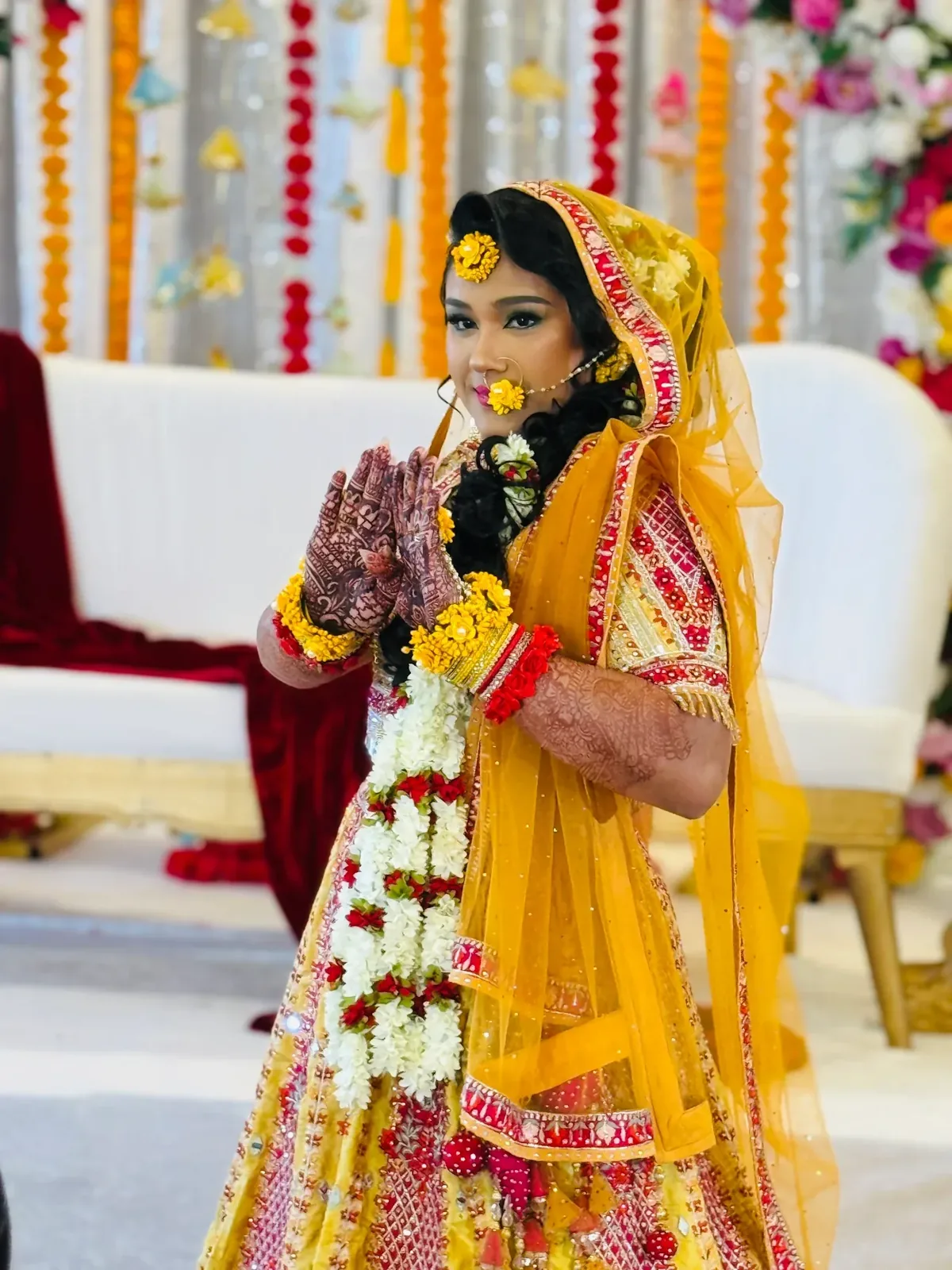
The Mehndi is pure color and energy: yellow and green outfits, marigolds, choreographed dances and the bride having henna applied. It's one of the most photogenic events of the whole wedding. We recommend both photo and video here, because so much of the fun is in motion and sound.
Baraat
The Baraat is the groom's grand arrival, often with a dhol player, dancing and plenty of noise. It moves fast, so a second shooter is extremely helpful: one photographer stays with the groom while the other captures the bride's family waiting to welcome him.
Nikah, Anand Karaj or Pheras
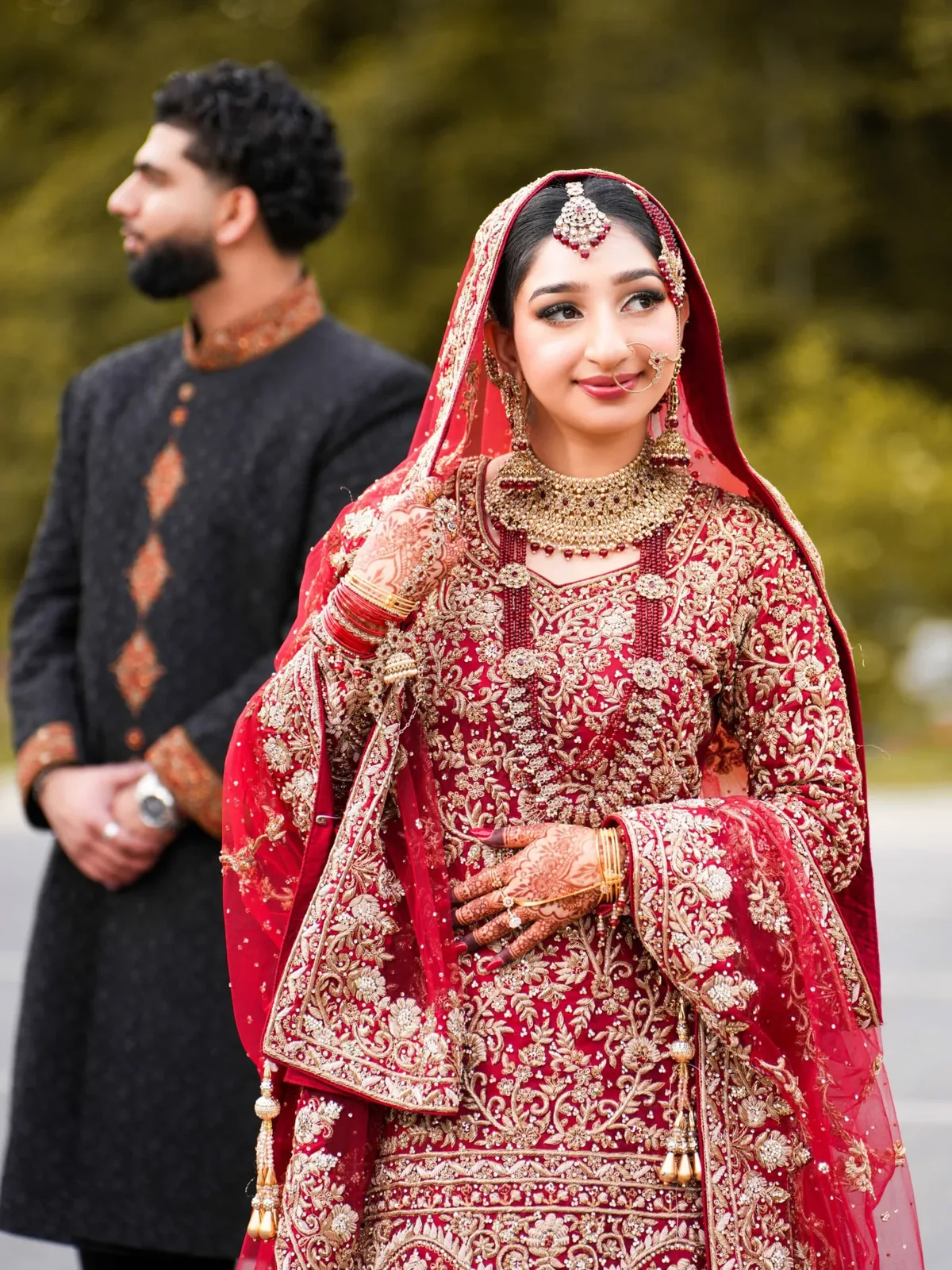
The ceremony is the emotional and religious heart of the wedding. Every tradition has its own rules. Some mosques and gurdwaras ask photographers to stay in certain areas or avoid flash, so we always check with the officiant ahead of time. The small moments count here: the signing of the Nikah papers, the hands of the elders during duas, the bride's first look at her groom.
Rukhsati or Vidaai
This is the goodbye as the bride leaves her parents' home, and it's usually the most emotional part of the whole wedding. It's also easy to miss if the photographer is packing up. Make sure your timeline and contract include it, and let your photographer know which family members matter most in that moment.
Walima or Reception
The Walima is often the most formal event, with a large guest list, a stage for the couple and a lot of family photos. Having a clear family photo list is the single best way to keep this event running smoothly.
Tips for better South Asian wedding photos
- Make a family photo list for every event. Group it by side of the family and include names. Ask one cousin from each side to help gather people.
- Build portrait time into each day. Even twenty minutes of couple portraits before guests arrive makes a huge difference, especially at the Walima.
- Think about lighting at the stage. Many banquet halls in the DMV use colored uplighting that can turn skin tones purple or green. A photographer who brings their own lighting can fix this.
- Share details that matter to you. Your grandmother's jewelry, a dupatta from your mother's wedding or a Quran held over your head during the Rukhsati. Tell your photographer in advance so these are covered properly.
- Plan for large guest counts. With 300 to 800 guests, two photographers and a videographer is usually the minimum to cover both families.
Why cultural understanding matters
A skilled photographer from any background can take beautiful pictures. But at a South Asian wedding, understanding the flow of each ritual helps you be in the right place at the right moment. It means knowing that the Joota Chupai is about to happen, or that the bride's father will want a photo with his brothers before the Rukhsati. Our team has grown up with these traditions, and several of us are bilingual, which makes working with elders and officiants much easier.
Your grandparents should look at your album and recognize their traditions. Your grandchildren should look at it and feel like they were there.
Frequently asked questions
How many photographers do we need for a Pakistani or Indian wedding?
For events with more than 200 guests, we recommend at least two photographers and one videographer. It lets us cover both families at once, which matters a lot during the Baraat and the Rukhsati.
Can you photograph inside a mosque or gurdwara?
Usually yes, with some guidelines. Many places of worship ask photographers to dress modestly, remove shoes, avoid flash and stay out of certain areas. We contact the venue or officiant ahead of time so there are no surprises on the day.
How long does it take to receive photos from a multiday wedding?
You'll get a sneak peek within a few days of the main event. Because multiday galleries are larger, the full edited collection usually takes 8 to 10 weeks.
How to budget for coverage across several events
Because you're covering several days, it's often better value to book one team for the whole wedding instead of different vendors for each event. You'll get consistent editing, a single gallery and a team that already knows your family by the time the Walima comes around. Take a look at our South Asian wedding packages, or tell us about your events and we'll put together a custom quote.